Request furnace repair for a property in Cambridge. Include the equipment, the problem or planned work, and your location so the request can be reviewed.
What should be checked when a furnace will not start or heats unevenly?
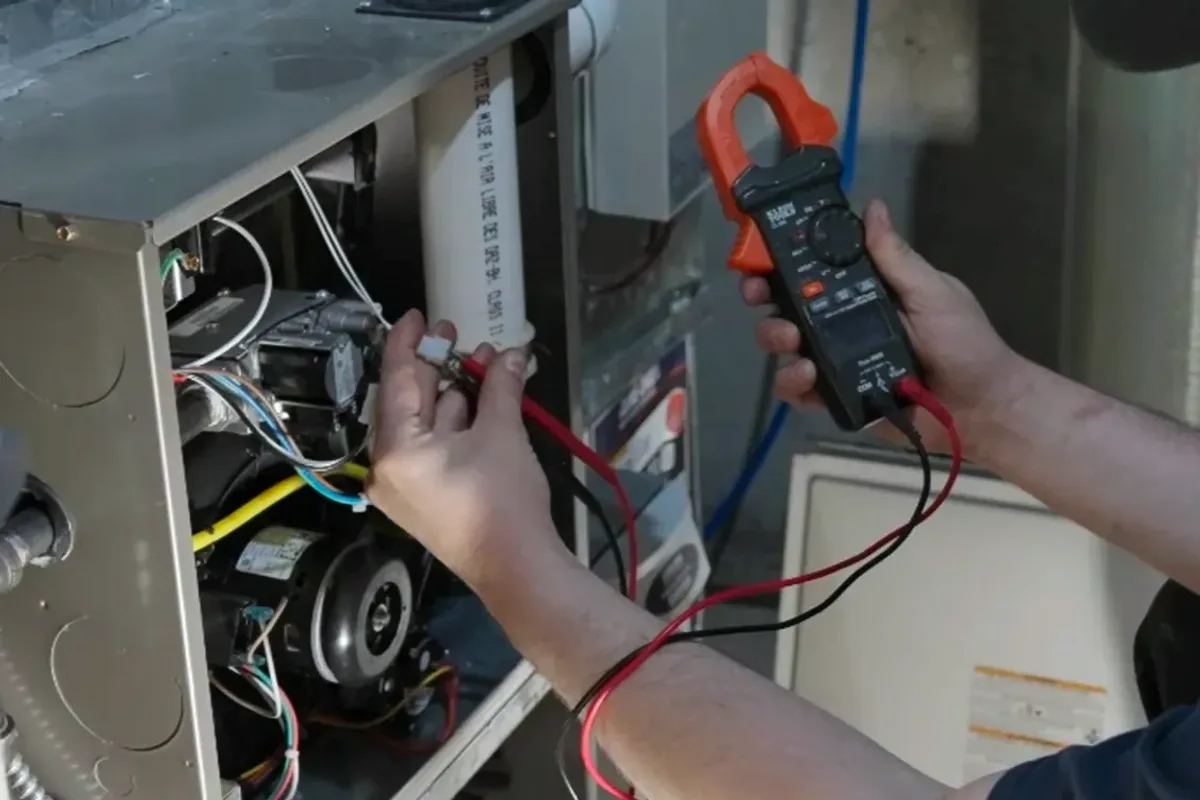
Furnace repair begins by identifying why a gas, propane, or oil furnace is not starting, heating evenly, or producing warm air. The fuel type and furnace design matter because ignition and burner faults differ from airflow restrictions, motor problems, or control issues. Inspection findings can also show whether a repair is appropriate or whether repeated failures make replacement worth comparing. Maintenance is a separate decision, guided by the equipment condition and manufacturer instructions rather than an assumed annual task.
Useful clues include the furnace make and model, fuel type, displayed fault codes, recent changes in operation, and which rooms are affected. A service assessment can distinguish an ignition or control fault from restricted airflow, burner trouble, or a failing motor. These findings help identify a specific repair and whether recurring faults justify comparing repair with replacement.
Gas, propane, and oil furnace repair
Ignition, burner, electrical, airflow, and control diagnosis
Maintenance findings and repair-versus-replacement decisions
Assessment and Scope
Questions for the Proposed Work
01
Separate ignition faults from airflow and control problems
A furnace that will not fire may have an ignition, fuel-delivery, electrical, or safety-control fault, while weak or uneven heat can point to airflow, blower, filter, or duct issues. Those symptoms do not identify the failed part on their own. A qualified assessment should use the furnace's fault information and operating sequence to narrow the cause; occupants should not open the cabinet or handle fuel or internal electrical components.
02
Use inspection findings to decide on maintenance
Maintenance is not the same as repairing a known fault. Findings at the burners, airflow path, filter, thermostat, and controls can indicate whether cleaning, adjustment, or a part repair is appropriate. The furnace manual and inspection results determine what service is due; a calendar alone does not establish that every component needs work. If a filter is accessible, follow the manufacturer's instructions for its care.
03
Compare repair with replacement when faults recur
A single failed component may be repairable, but repeated breakdowns change the decision. Compare the confirmed repair scope and condition of the remaining furnace with the proposed replacement, including compatibility with the home's fuel and existing venting. For a high-efficiency model, venting and condensate arrangements may differ from those of an older furnace. The comparison should rely on the equipment inspection, not a fixed number of failures.
Compare the next step
Keep the immediate repair quotation separate from an equipment selection for the renovated home. Ask what load information will be updated after insulation or window work and whether the retained distribution remains suitable. Record the renovation assumptions so a future bidder does not simply reproduce the previous furnace capacity.
Leave burner, fuel, venting, electrical, and internal equipment work to a qualified contractor. Do not bypass a safety switch or repeatedly reset a furnace.