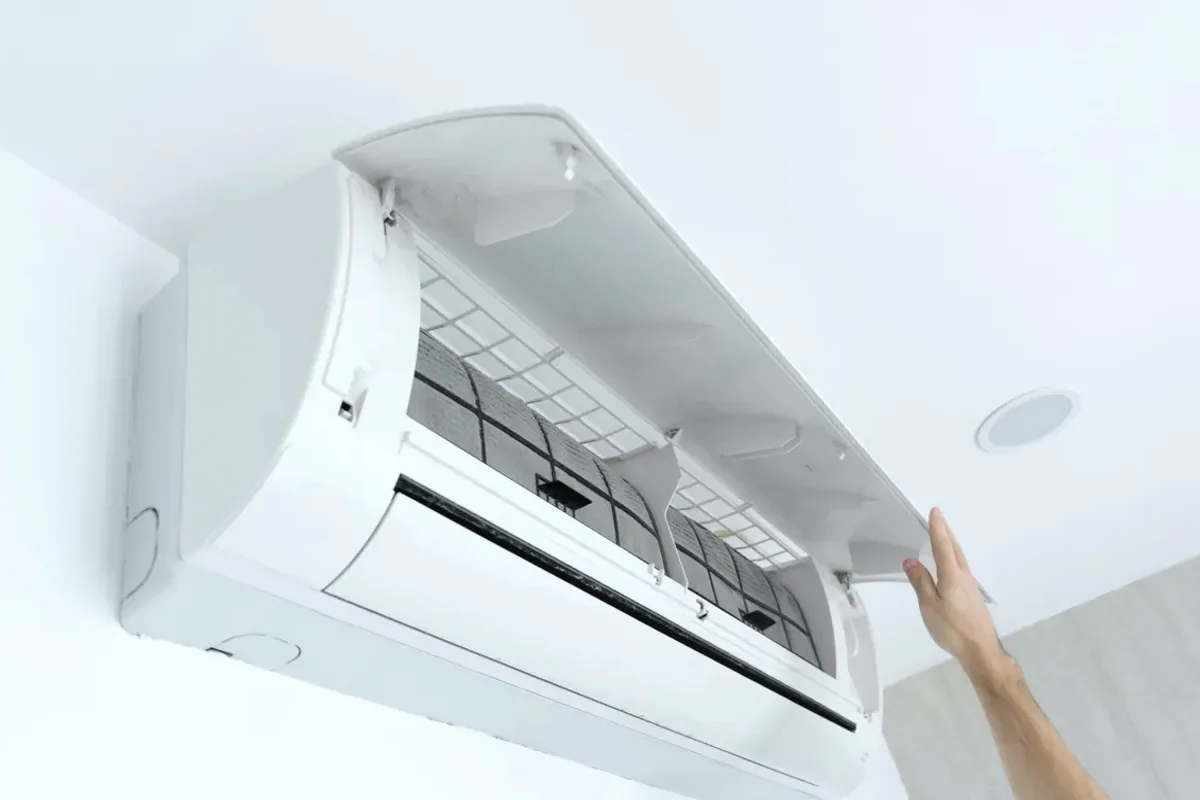
Request ductless ac installation for a property in Cambridge. Include the equipment, the problem or planned work, and your location so the request can be reviewed.
What should be assessed before choosing a ductless air conditioner?
Ductless AC installation may suit a property where adding or extending ductwork is not practical, but the room layout and equipment requirements determine the design. Planning considers the number and location of indoor heads, outdoor-unit placement, refrigerant-line routes, condensate drainage, electrical capacity, and control needs. Single-zone and multi-zone arrangements have different trade-offs. If replacing existing ductless equipment, its condition and any unresolved leak or drainage problem should be assessed rather than assumed to be corrected by a new installation.
A useful assessment records the rooms to be served, their layout, possible indoor-head locations, line routes, outdoor-unit position, and electrical requirements. These details affect whether one zone or several is appropriate and whether the installation is feasible as planned. For an existing system, inspection for refrigerant leakage, condensate problems, or unusual coil odour helps separate installation work from repairs that need their own scope.
Single-zone and multi-zone ductless system planning
Indoor-head placement, outdoor location, line routing, and drainage
Electrical and control compatibility, plus existing leak or odour concerns
Assessment and Scope
Questions for the Proposed Work
01
Plan zones and indoor-unit locations around the layout
The room plan determines whether one indoor head can serve the intended area or whether multiple zones need separate heads and controls. Placement affects how air reaches the room, while walls and available routes constrain refrigerant piping and condensate drainage. A design should identify the spaces the system is intended to serve rather than assume one unit will condition every room. Existing ductwork is not required for a ductless layout.
02
Confirm electrical, line-routing, and drainage requirements
Before installation, the proposed equipment must be checked against the property's electrical supply and the planned outdoor-unit location. Refrigerant lines need a practical route between indoor and outdoor equipment, and condensate needs a suitable drainage path. These are separate installation considerations, not details to resolve by guesswork after placement. If existing wiring, a wall opening, or a drain route is being reused, its condition and compatibility need to be assessed first.
03
Treat existing system faults as separate from new installation
A musty smell at an existing ductless head can warrant inspection of the coil and condensate drain, but installing equipment does not itself establish that the source has been addressed. Likewise, a refrigerant leak should be located and evaluated rather than repeatedly topped up. For a replacement, the assessment should distinguish reusable components from damaged or incompatible parts and confirm that the new installation's connections and controls match the selected system.
Compare the next step
Supply the finished room specifications before selecting the unit. Ask how the proposed minimum and maximum output fit the revised load and expected use. Check whether wall insulation or window changes also alter the practical head location, condensate route, or refrigerant-line penetration.