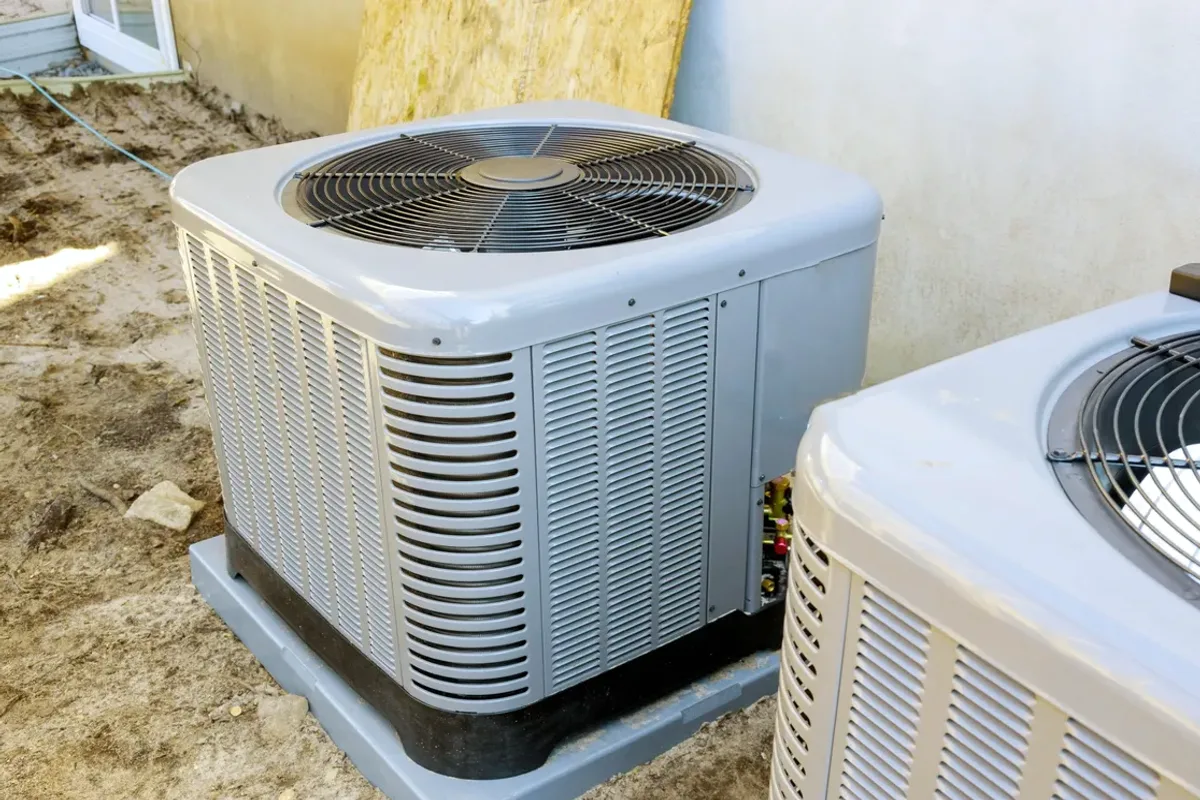
How can a homeowner tell what is causing an air conditioner to stop cooling?
Air conditioner repair starts with the type of system and the symptom: central air and ductless mini-splits have different layouts, controls, and service points. Warm air, a system that will not start, unusual noise, or water near an indoor unit can each have several causes. Inspection can separate an electrical component fault from restricted airflow, a refrigerant-circuit problem, or blocked condensate drainage. Maintenance and repair are distinct, and service needs depend on findings and manufacturer instructions.
The system type, model information, operating symptoms, and any visible water or error display help focus an assessment. A qualified service check can compare airflow and electrical readings with refrigerant-circuit and drainage findings. That evidence matters because a failed capacitor or contactor, a leak, a compressor fault, and a blocked drain call for different work and different repair-versus-replacement comparisons.
Central air and ductless mini-split repair
Electrical components, compressors, and refrigerant-circuit faults
Coils, airflow, condensate drainage, and repair decisions
Assessment and Scope
Questions for the Proposed Work
01
Distinguish electrical faults from major component problems
A central air conditioner that will not start may have a control, capacitor, or contactor fault, while a compressor problem changes the repair scope substantially. Warm air can also result from airflow restrictions or a refrigerant-circuit issue. Diagnosis should confirm the failed part rather than infer it from the symptom. Refrigerant and internal electrical work belong to qualified service personnel; occupants should not open equipment or attempt a refrigerant top-up.
02
Check condensate drainage when water appears
A blocked condensate drain can cause water around an indoor air handler or trigger a safety switch that stops cooling. Ductless units also drain condensate from each indoor head, so the location of a leak helps identify which section needs inspection. Drainage findings should be considered alongside coil and airflow condition. Cleaning or treatment is not automatic; the observed blockage and the equipment instructions determine the appropriate service.
03
Keep maintenance separate from a repair decision
Maintenance can include inspection of airflow, coils, controls, drainage, and refrigerant-circuit condition, but it does not replace diagnosis of a current fault. If a confirmed repair involves a smaller electrical component, compare that scope with the system's overall condition. A compressor fault or recurring refrigerant leak may call for a broader repair-versus-replacement comparison. Age alone does not establish the answer; inspection and the specific repair findings matter.
Compare the next step
Ask whether the cooling assessment uses the old building conditions or the planned finished envelope. Window specifications, shading, and insulation can change room heat gain. A replacement proposal should state its design assumptions and explain humidity control as well as its ability to lower the thermostat temperature.
Do not open electrical panels or handle refrigerant. If ice, water near electrical equipment, or abnormal operation is present, stop using the affected system and request an assessment.