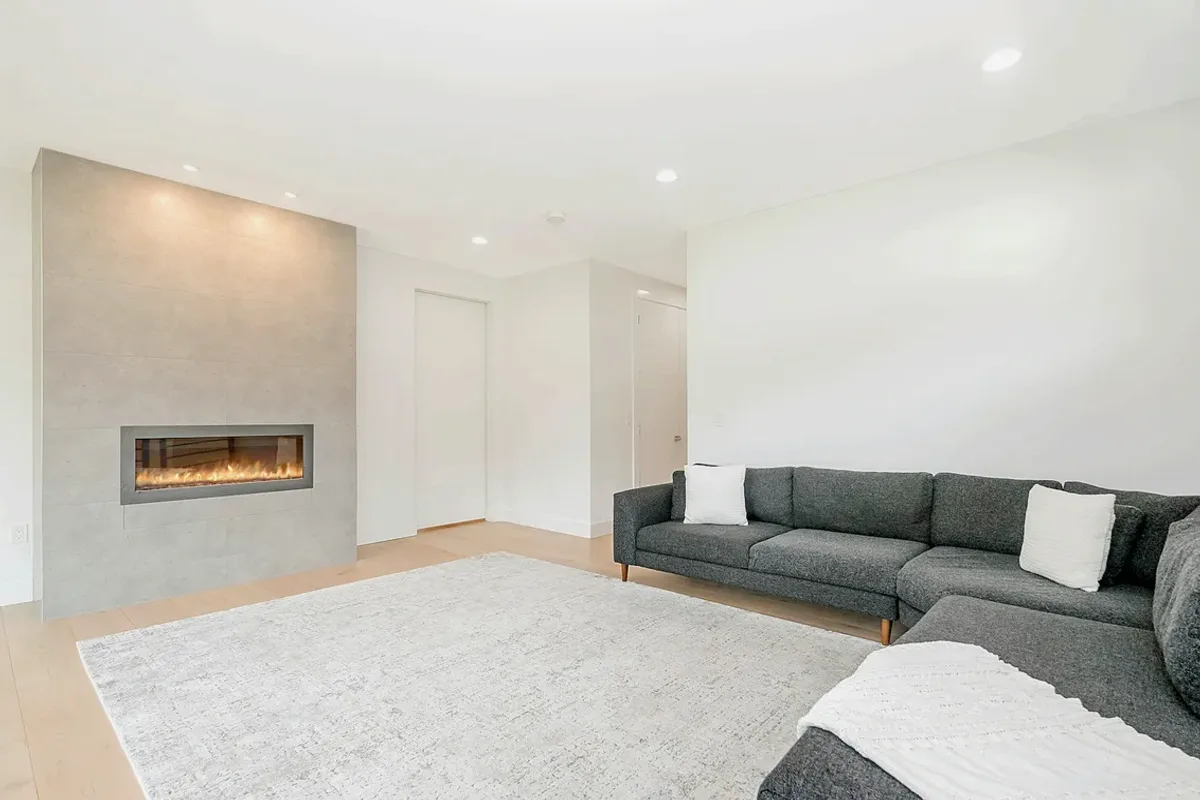
Request fireplace installation for a property in Cambridge. Include the equipment, the problem or planned work, and your location so the request can be reviewed.
What should be checked before installing a fireplace in an existing or new location?
Fireplace installation planning begins with the appliance type and the intended location. Gas, electric, and wood-burning models have different connection, clearance, and venting requirements, and an existing opening or chimney may affect what can be installed. A site assessment should identify the wall or hearth arrangement, required services, and whether the proposed vent route is suitable. If an older fireplace is being replaced or converted, inspect the existing opening and vent before assuming they can be reused.
The proposed model, room layout, clearances, available electrical or gas service, and vent route shape the installation scope. For wood-burning units, chimney condition and liner requirements may affect the work; for gas units, the appliance and vent configuration must be compatible. An existing firebox or vent with damage may require separate evaluation. These observations clarify whether the opening can be reused or a different arrangement is needed.
Gas, electric, and wood-burning fireplace installation
Fuel or electrical connections, clearances, and venting
Existing openings, chimney or liner condition, and possible conversion
Assessment and Scope
Questions for the Proposed Work
01
Choose installation details for the fuel and appliance
An electric fireplace generally depends on the required electrical connection and clearances, while a gas model also requires compatible fuel piping and an approved vent arrangement. A wood-burning appliance has its own clearance and chimney requirements. The specific model instructions determine the installation details. Planning by fuel type matters because an opening, service connection, or vent intended for one appliance cannot automatically be assumed suitable for another.
02
Assess the opening, vent, and chimney before reuse
Where an existing fireplace opening is being reused, its dimensions, condition, and relationship to the proposed appliance need to be checked. Gas inserts require a compatible vent configuration, while a wood-burning installation may require chimney or liner work. Visible damage to the firebox, appliance, or vent should be assessed as part of the scope. A conversion from wood to gas is an option to evaluate, not a universal substitute for repair or rebuilding.
03
Separate installation from later appliance service
Installation establishes whether the selected fireplace, connections, clearances, and venting suit the location. It is different from later maintenance or repair, such as investigating an operating concern, damaged vent, or worn fan component. If an existing appliance is being retained, its condition should be assessed separately rather than treated as part of a new-installation assumption. The selected model's instructions guide the checks and service requirements for that appliance.
Compare the next step
Bring the envelope and ventilation changes to the fireplace discussion. Ask how the chosen appliance obtains combustion air and vents exhaust, and which installation checks apply after the renovation. Resolve enclosure clearances and accessible service points before insulation, airtightness details, and finishes surround the appliance.
Use a qualified contractor for the chosen appliance and any fuel, venting, or electrical work. Do not alter the appliance or defeat its controls. Confirm its manufacturer operating requirements before relying on it for whole-home or outage heating.